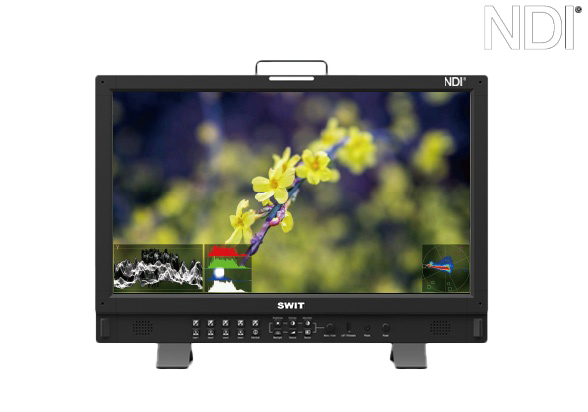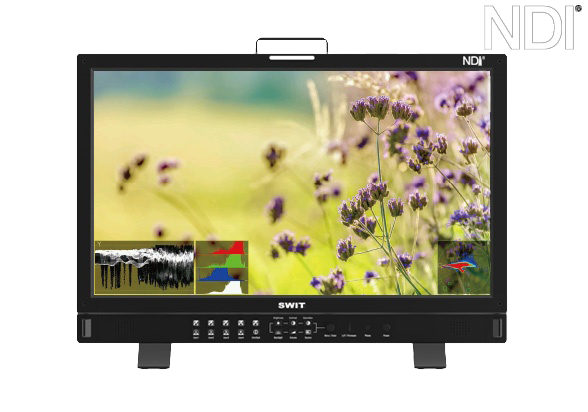
Click to watch the introduction video on YouTube:
Watch "Perfect Synchronization: SWIT at Baltic Opera" on YouTubeCan you imagine it?
Opera performers standing in the spotlight, straining to keep in time with the performance, yet unable to see the conductor’s gestures and forced to follow the beat from memory—terrified that a split-second delay would ruin an entire flawless show.
Backstage technicians staring at screen feeds, always a beat behind, too hesitant to issue precise cues with confidence.
This is no overstatement. It was the daily reality at Poland’s Baltic Opera.
In the world of opera, the conductor is the heartbeat of every performance. Every lift of the baton, every downbeat, dictates the rhythm for the orchestra, soloists and choir alike. But the architectural design of the Baltic Opera places the orchestra pit directly beneath the stage—creating an insurmountable problem: performers on stage and backstage staff simply cannot see the conductor.
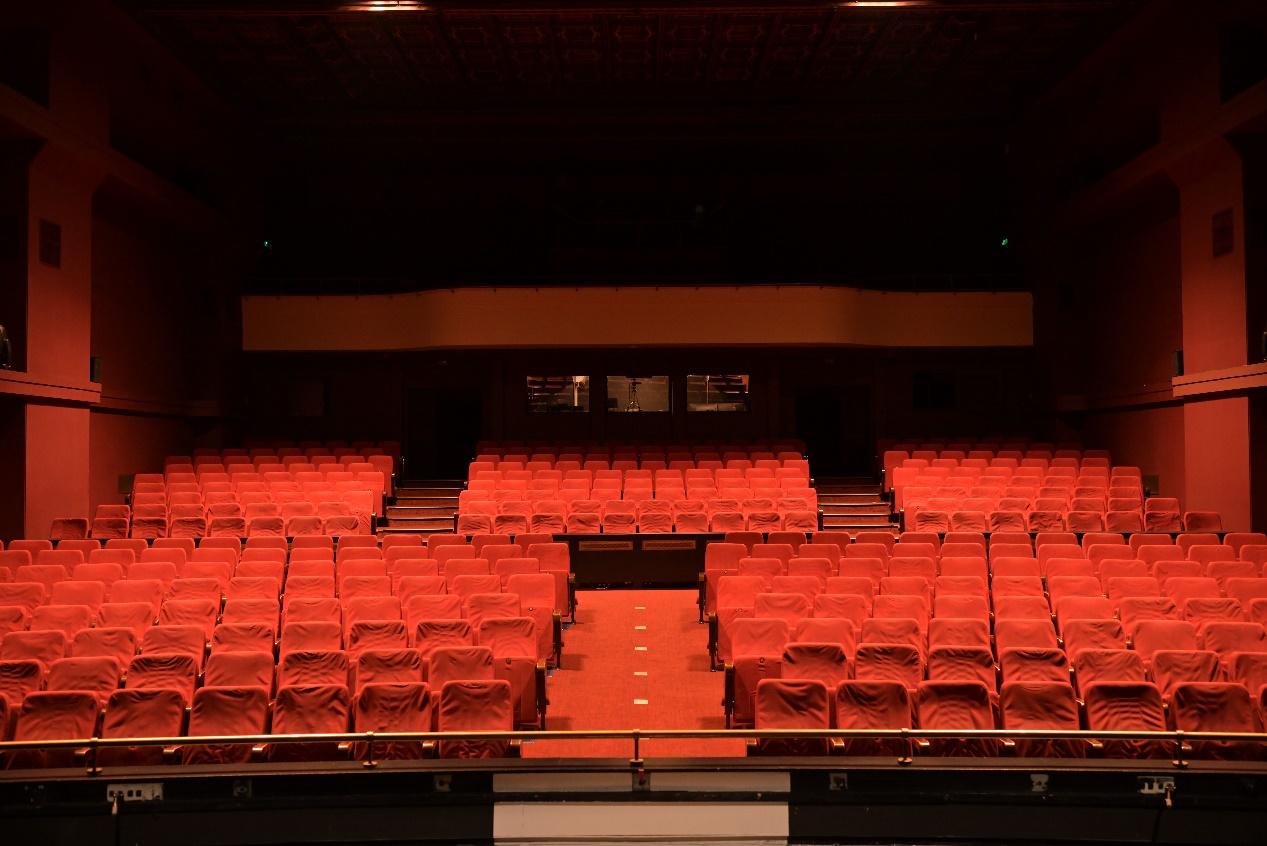
Interior of the Baltic Opera main hall
To solve this, Marek Lebida, Light Programmer at the Baltic Opera, first tried conventional monitoring displays to transmit the conductor’s feed—only to face complete failure.
Standard monitors and image processing solutions introduce delays of over 100 milliseconds. By the time the conductor’s baton fall appears on screen, the sound has already filled the theatre. For classical opera, even a few milliseconds of desynchronization is enough to destroy the performance’s cohesion. A 100ms delay left performers completely out of step, and all initial attempts ended in disappointment.
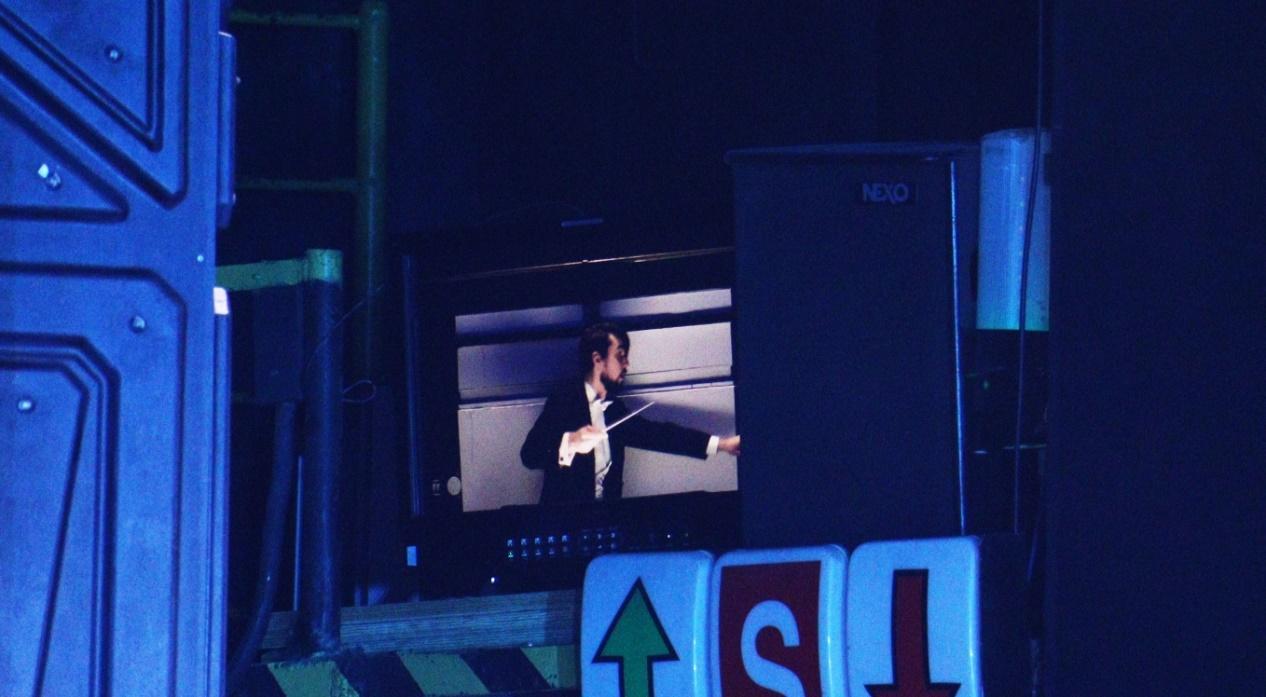
The conductor working in the orchestra pit, out of direct sight for performers
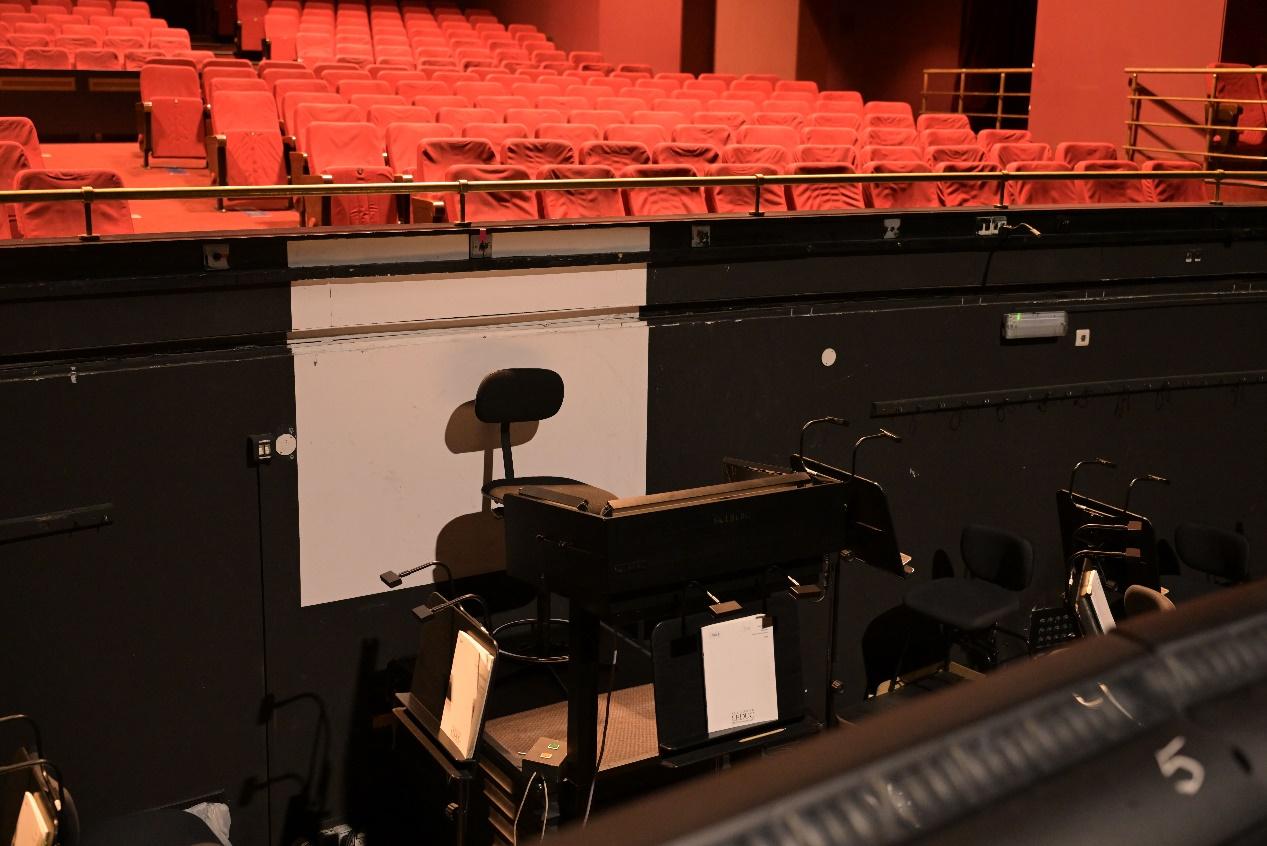
The orchestra pit below stage level
That was until they partnered with BemixMedia and adopted SWIT’s zero-latency monitoring solution.
BemixMedia’s expert team conducted rigorous latency testing on cameras and displays alongside the Opera’s conductors—not in search of a "good enough" solution, but a truly real-time system where latency is imperceptible to performers.
In the end, SWIT’s professional monitors emerged as the only answer.
Powered by hardware-level signal processing, SWIT monitors deliver an ultra-low latency of ≤0.01 frames. To put this into perspective, here’s a clear comparison of how different solutions stack up in real-world performance:
| Solution Type | End-to-End Latency | Real-World Experience for Performers & Staff |
|---|---|---|
| Conventional Monitoring | ≥100ms | Noticeable screen lag, constant struggle to follow the conductor, and frequent performance errors |
| Standard Professional Monitors | 5-15ms | Subtle desynchronization, performers anxious about missing the beat and holding back on stage |
| SWIT Zero-Latency Solution | ≤0.2ms | Absolutely imperceptible latency—equivalent to watching the conductor in person, with perfect rhythm alignment |
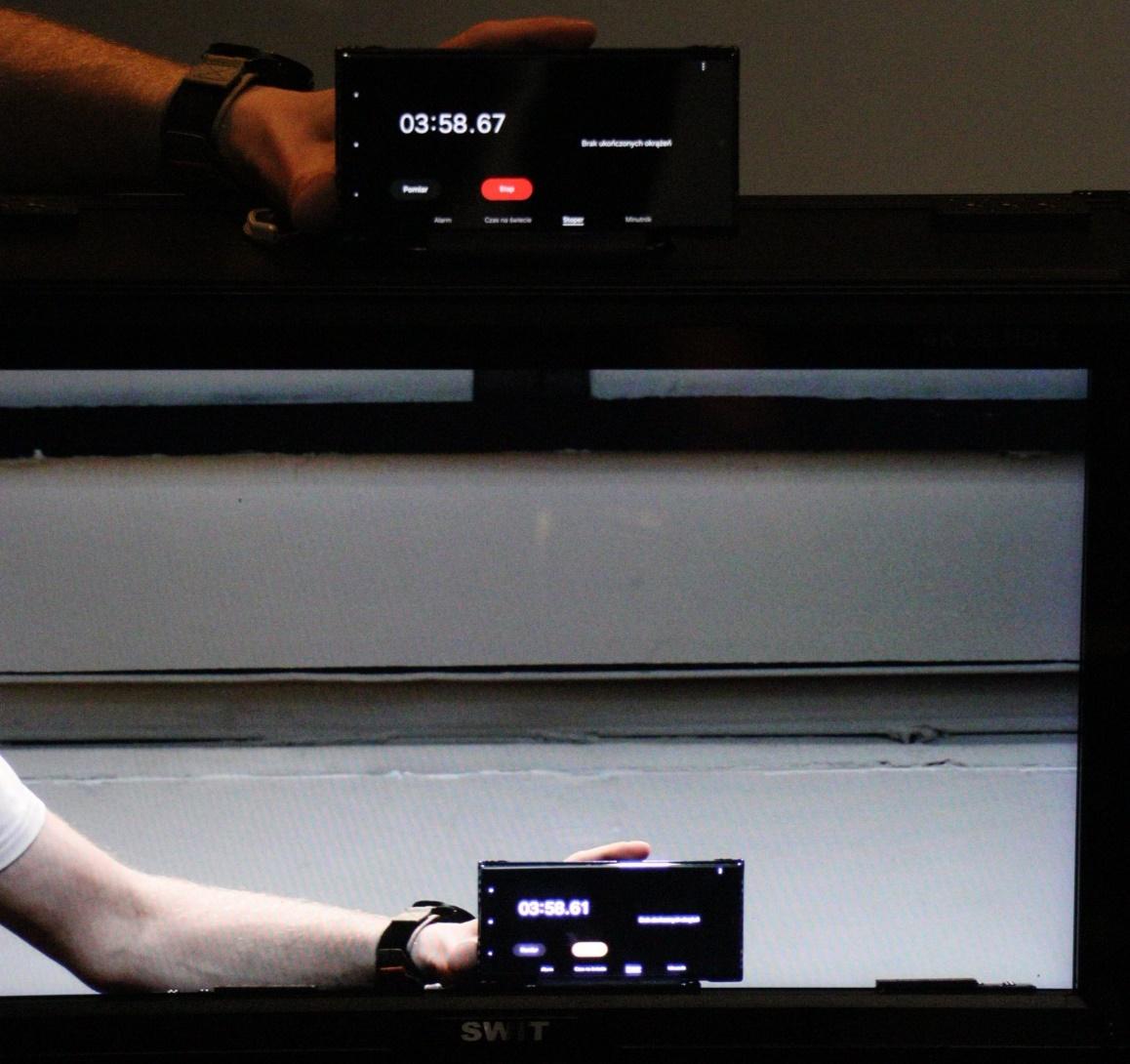
On-site latency testing of the SWIT monitor system
This latency is 500 times faster than the human blink reflex—the human eye cannot detect the slightest lag. The moment the conductor moves their hand, performers see the perfectly synchronized feed on screen, as if the conductor is standing right in front of them.
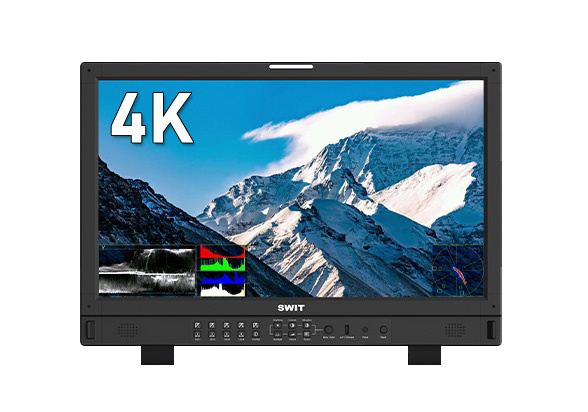
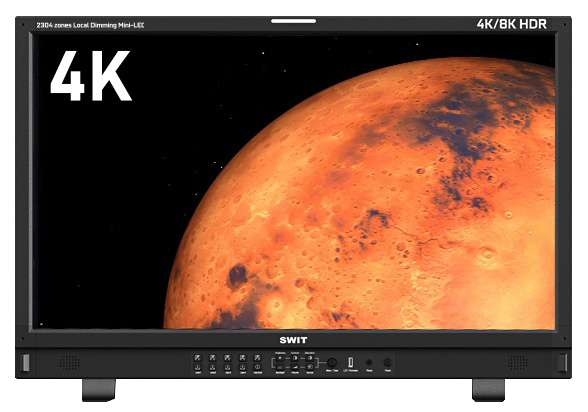
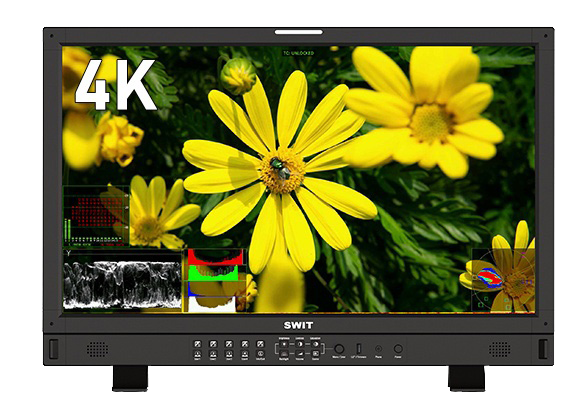
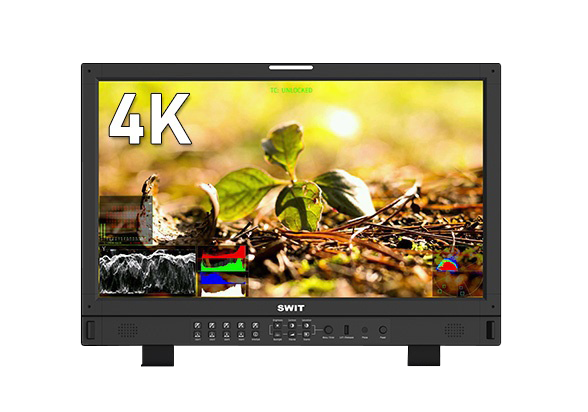
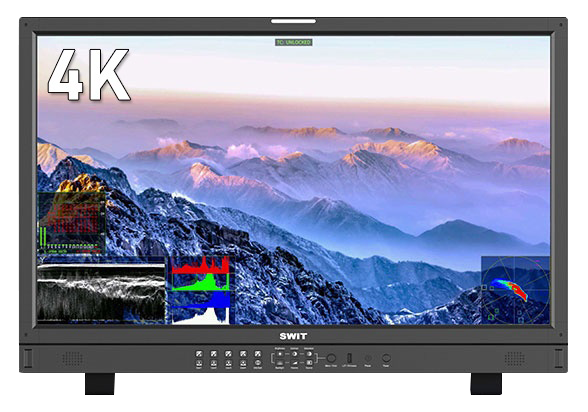
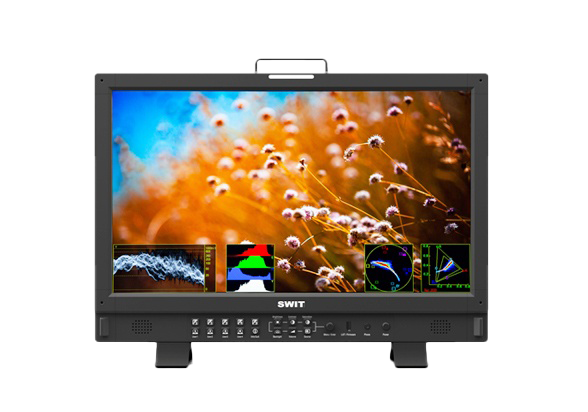
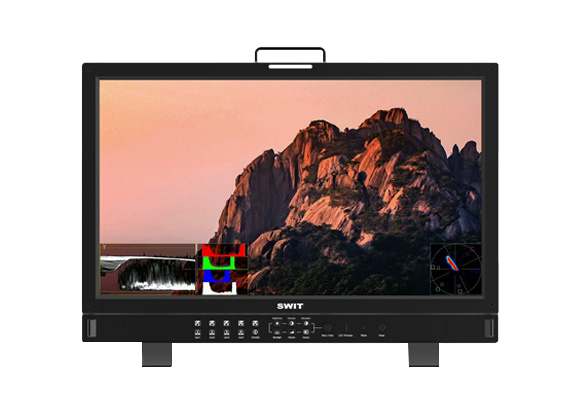
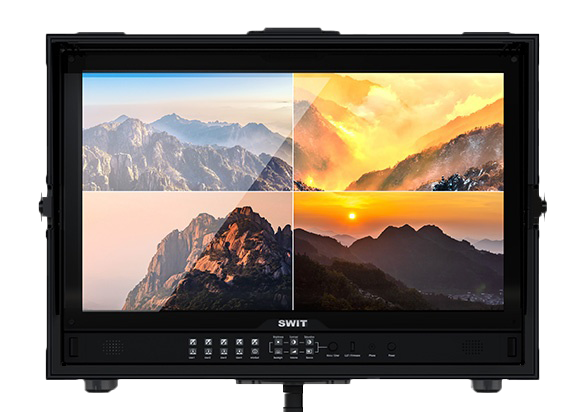
During the testing phase, the team validated the full end-to-end system with the SWIT FM-215HDR monitor paired with a Marshall PTZ camera.
“Together with the conductors of the Baltic Opera, we tested the system for critical delays. The results were revolutionary—the latency of the entire chain became imperceptible to the human eye.”
— Specialists from BemixMedia
The Baltic Opera is one of Poland’s leading performing arts institutions, located in the historic city of Gdańsk. Its modern interior combines rich acoustic design with advanced stage technologies—making it the perfect venue to demonstrate the reliability and precision of SWIT’s zero-latency monitoring solutions.
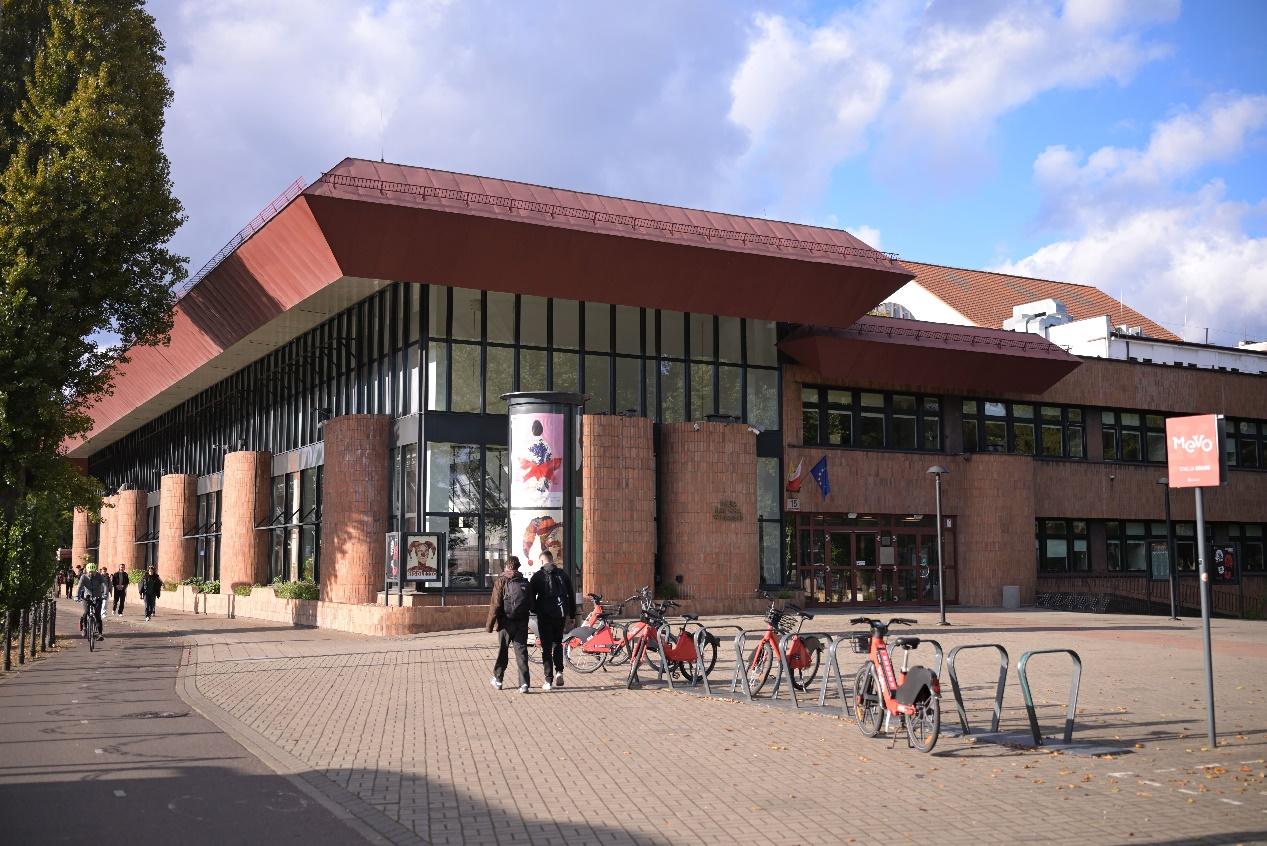
Exterior of the Baltic Opera in Gdańsk
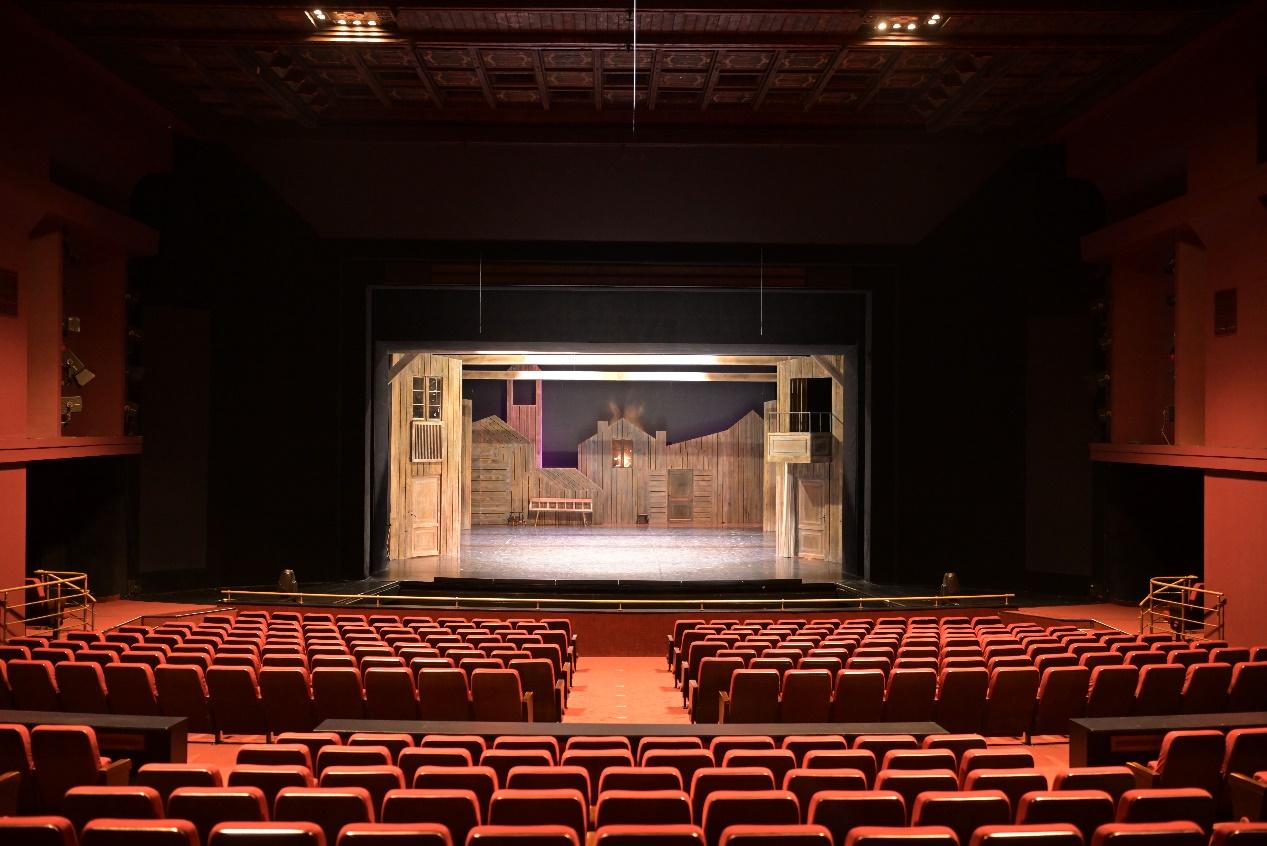
The stage of the Baltic Opera in Gdańsk
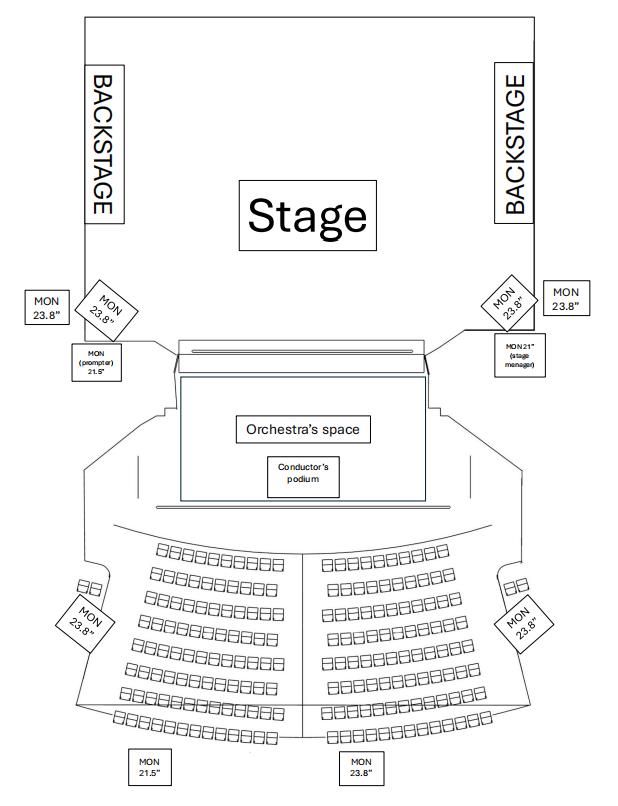
Detailed monitor placement layout within the theatre
Following the successful tests, BemixMedia expanded the system throughout the entire opera house. Utilizing an advanced SDI signal distribution network, BM-U175, BM-U245, and FM-215HDR models were installed at key locations:
The integrated network allows for seamless switching between various feeds: from the conductor’s close-up to a wide stage view, and even infrared (IR) cameras for monitoring scenes performed in total darkness.
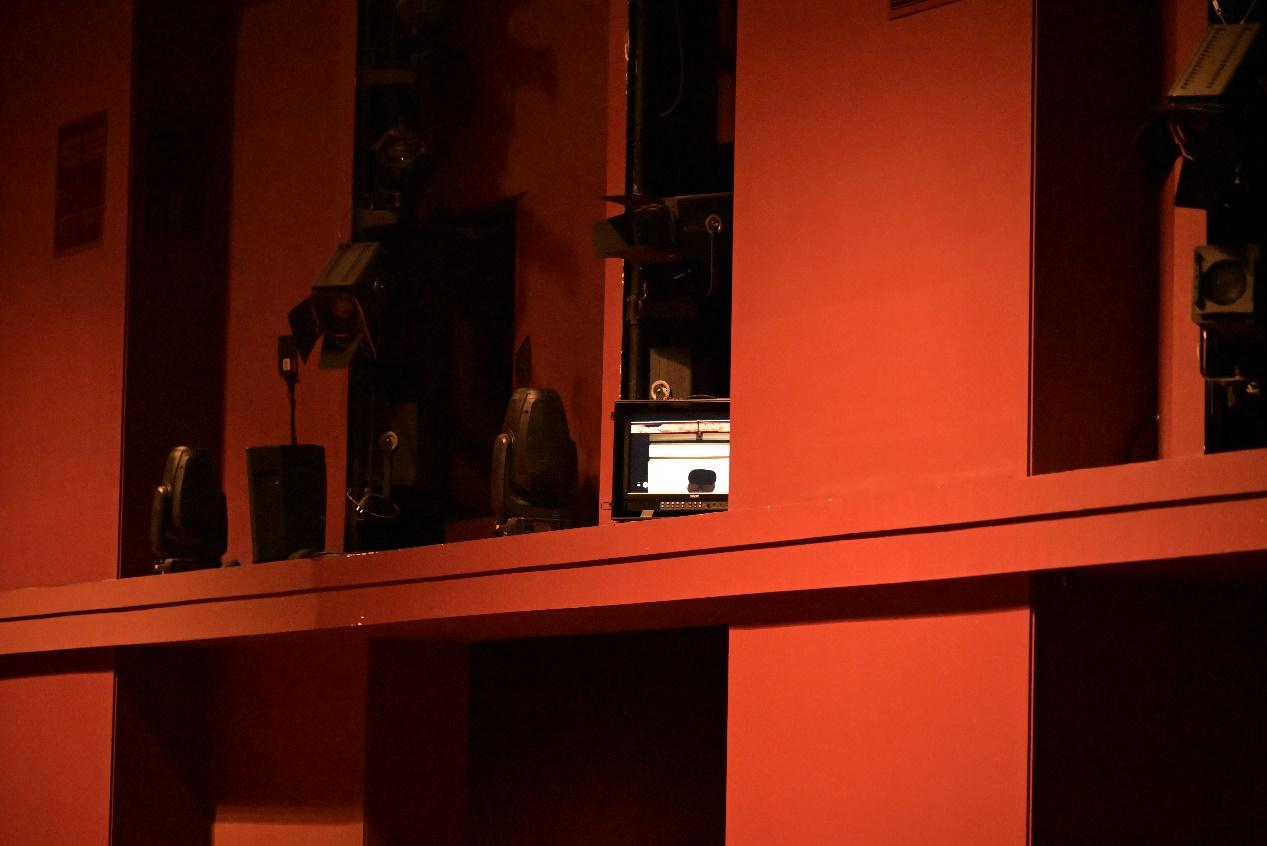
SWIT monitor installed on the auditorium side for performers
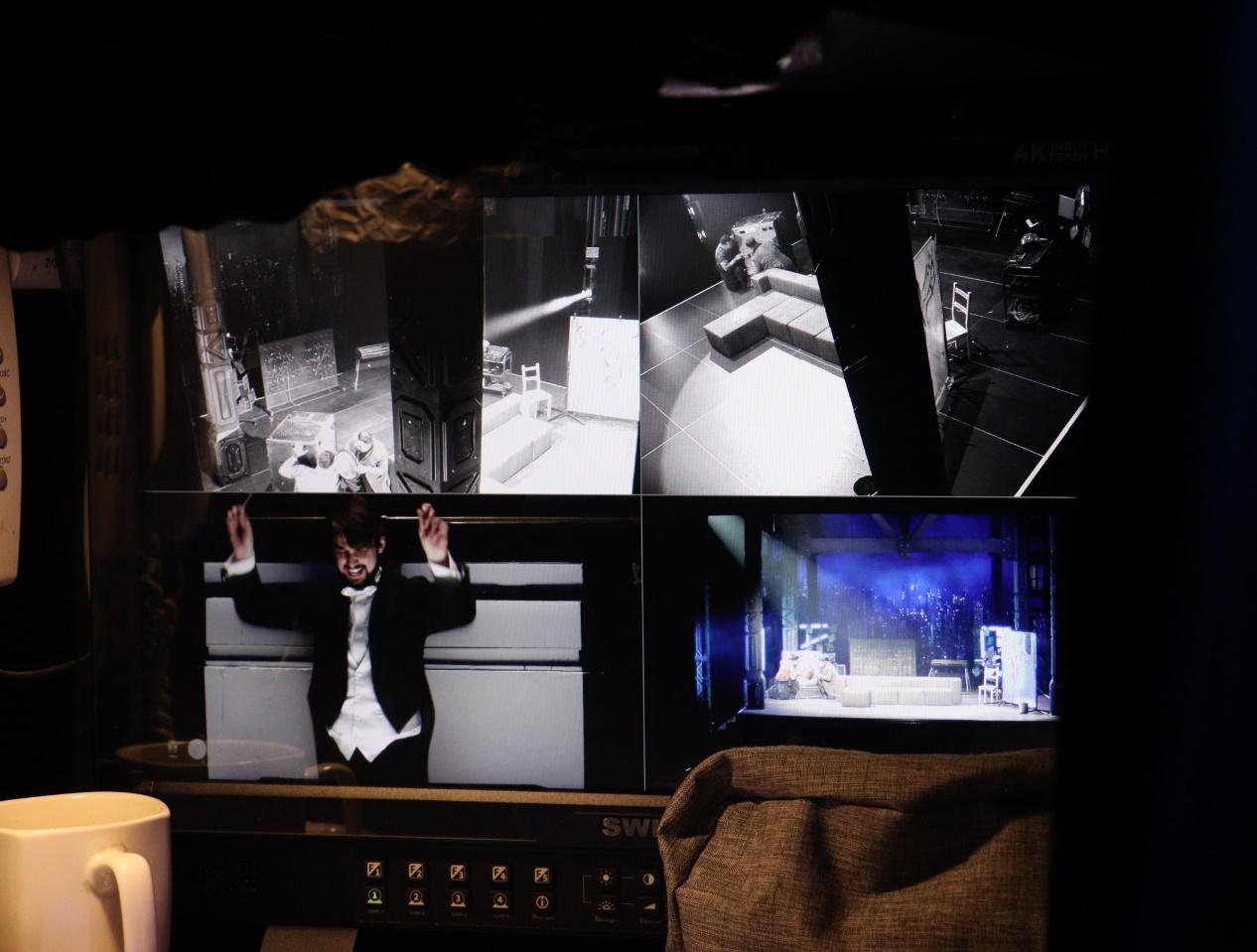
Multi-view monitoring system in the control room
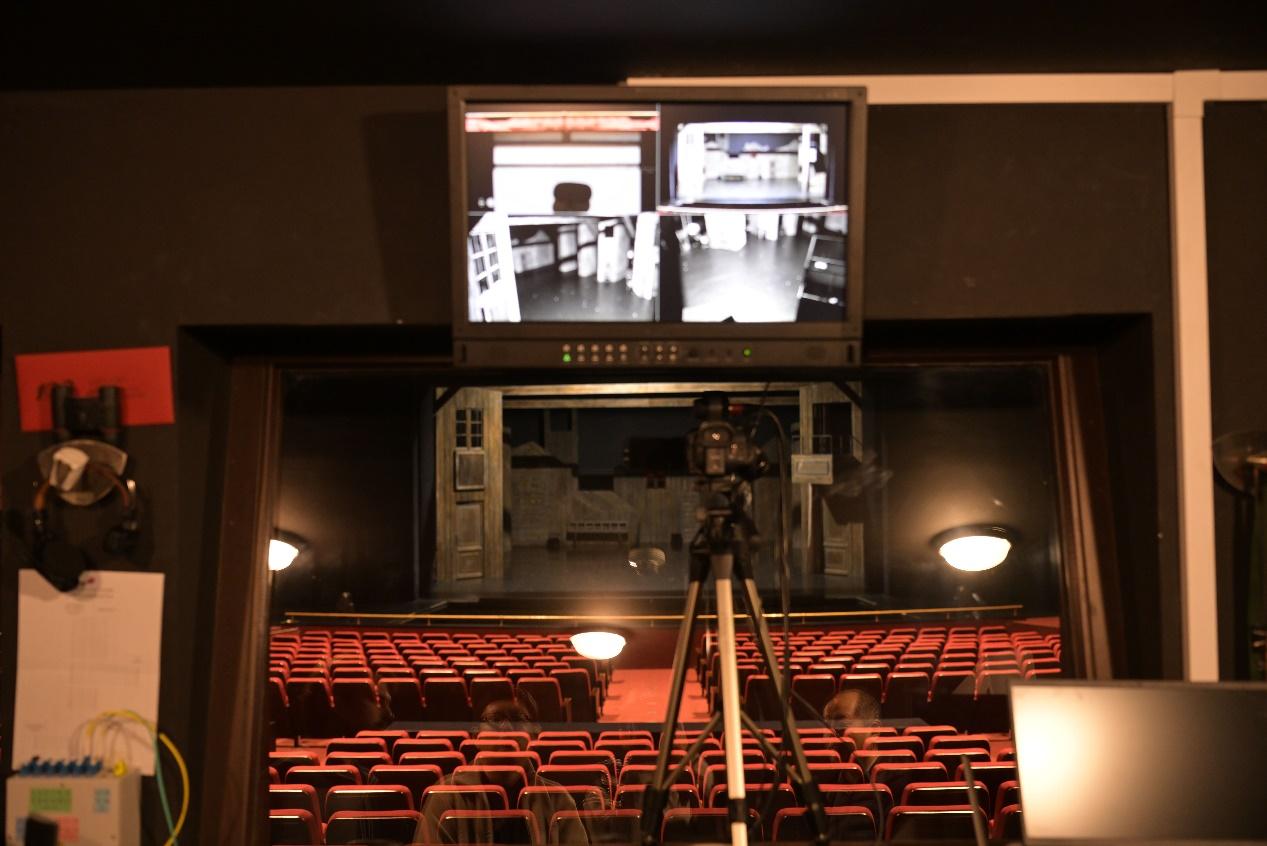
The camera system capturing the conductor's view for the monitoring network
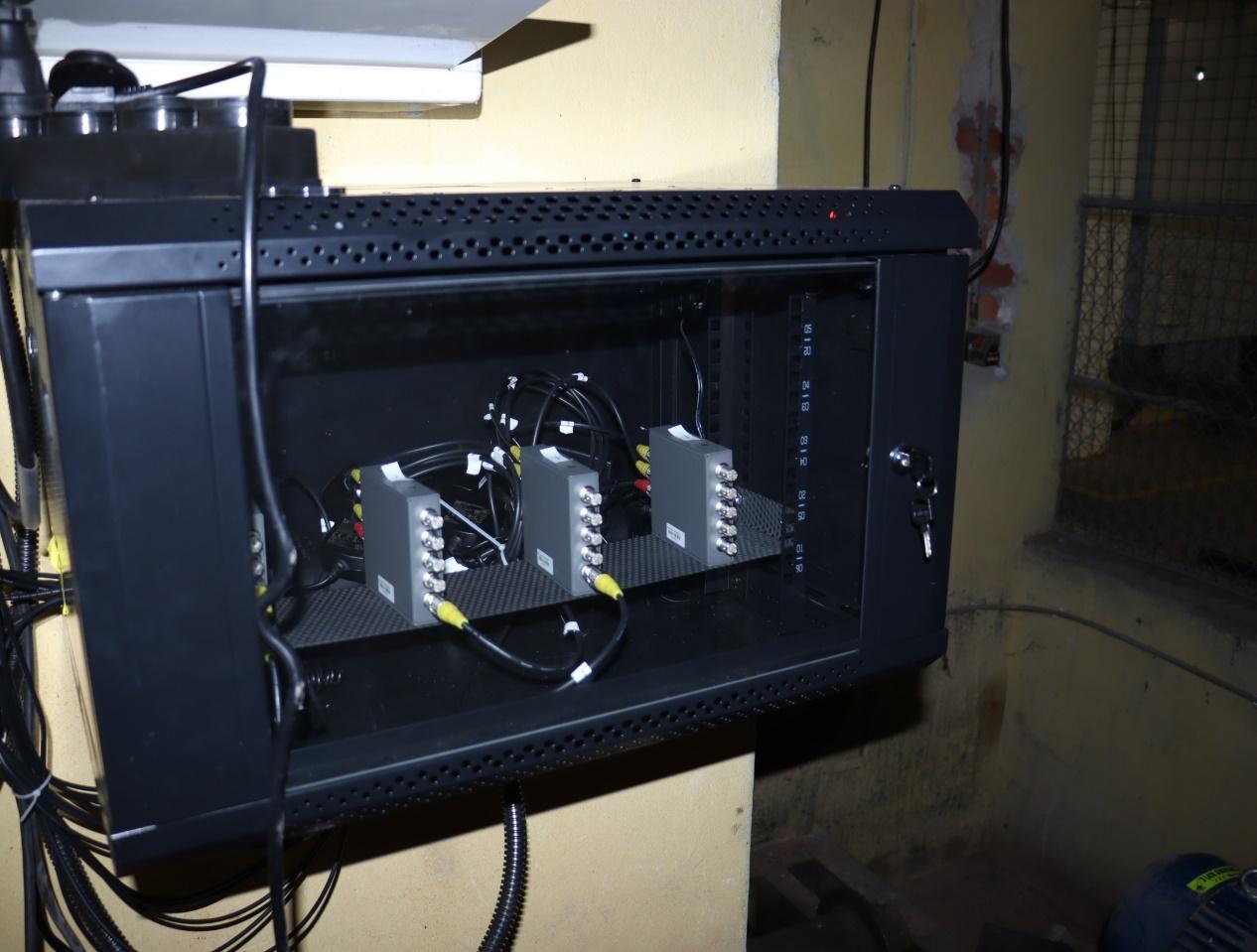
SDI signal distribution hub for the monitoring network
Marek Lebida – Light Programmer, Baltic Opera in Gdańsk
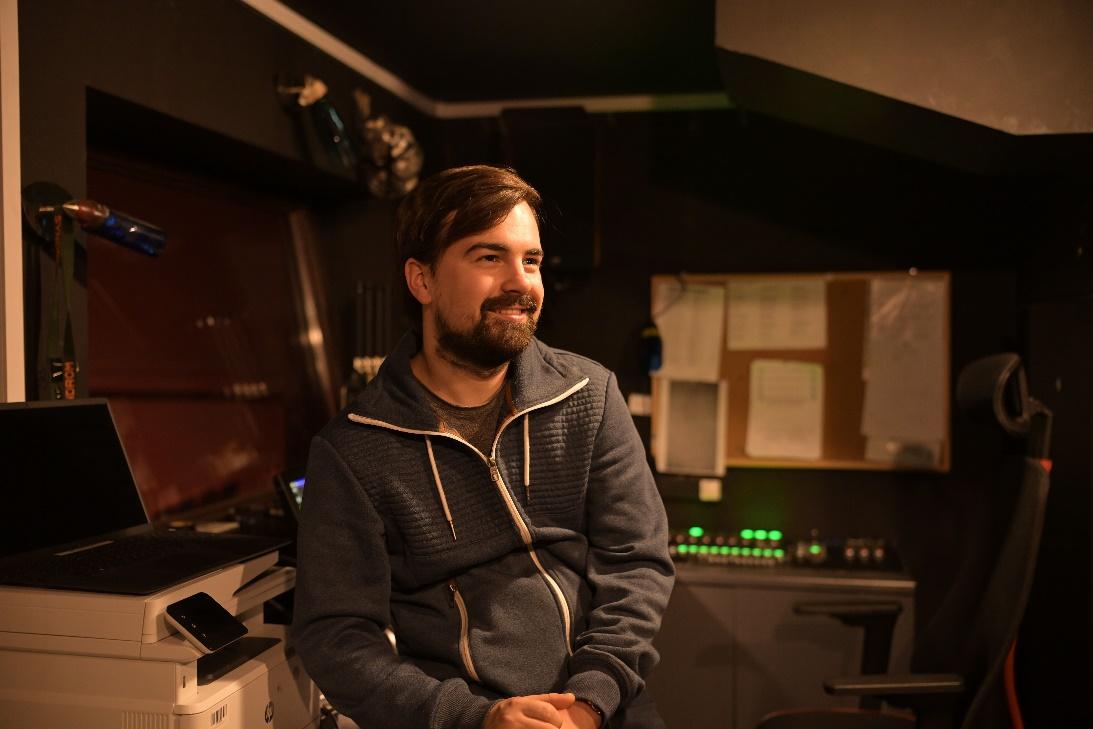
Marek Lebida, Light Programmer at Baltic Opera
This project was realized through the collaboration of:
Special thanks to the Opera Bałtycka (Baltic Opera) for their support and permission to share this case study.